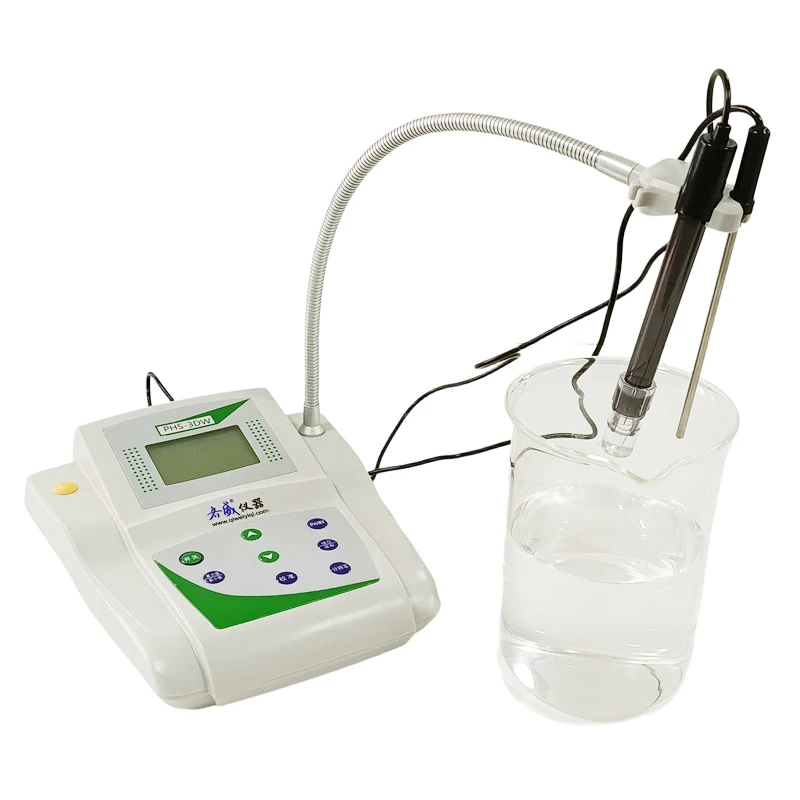
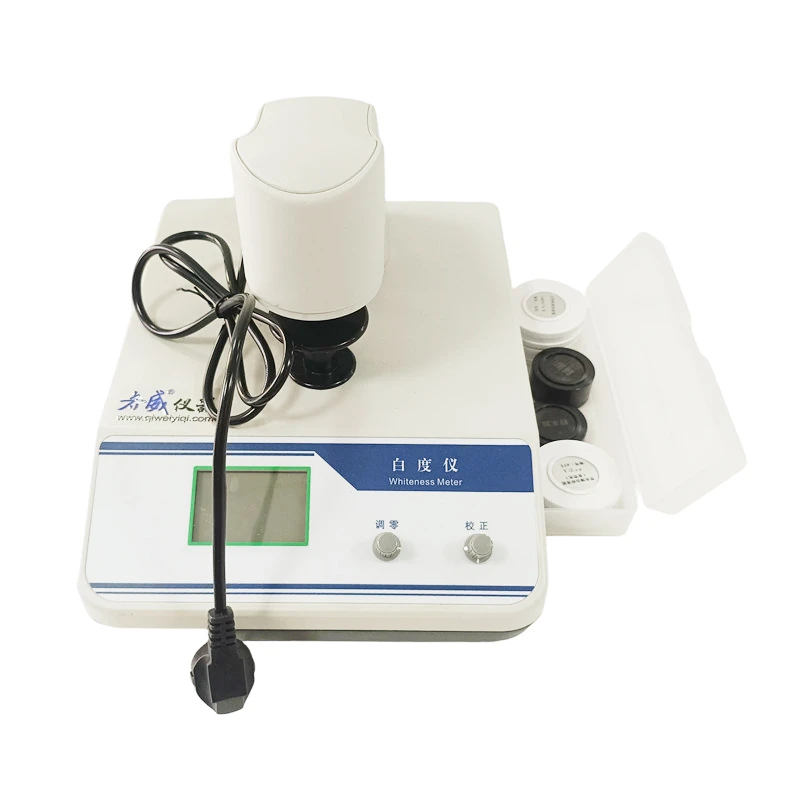
The ammonia nitrogen analyzer is an analytical instrument used for water quality testing. It primarily employs the Nessler's reagent colorimetric method (GB7479-87), the salicylic acid spectrophotometric method (HJ536-2009, compatible with ISO7150/1-1948 standard), and the ammonia-sensitive electrode method (ISE technology) for detection. The equipment is divided into two types: Type A (Nessler's reagent method) and Type B (salicylic acid method). Type B undergoes pretreatment according to GB7148-81 standard, possessing stable, sensitive, reliable, and mercury-free characteristics.
Operating Procedure
① Remove the two cuvettes from the accessories. Clean the cuvettes and measuring cups with distilled or ultrapure water. Wipe away water stains and fingerprints on the outer walls with a lint-free paper towel or soft cloth. If difficult to clean, soak in warm water with detergent for 30 minutes, then rinse thoroughly with pure water.
② Connect the instrument to the power supply by turning on the power switch at the rear of the instrument.
③ Instrument Zeroing: Pour distilled or ultrapure water into the cuvette (approximately 2/3 full); wipe the outer wall clean of water and fingerprints with a lint-free paper towel or soft cloth, then place it in the measuring base of the instrument and close the light-shielding cover. Press the "Zero" button; a "Please wait" message will appear.
Zeroing complete: NH3-N 0.0 mg/L