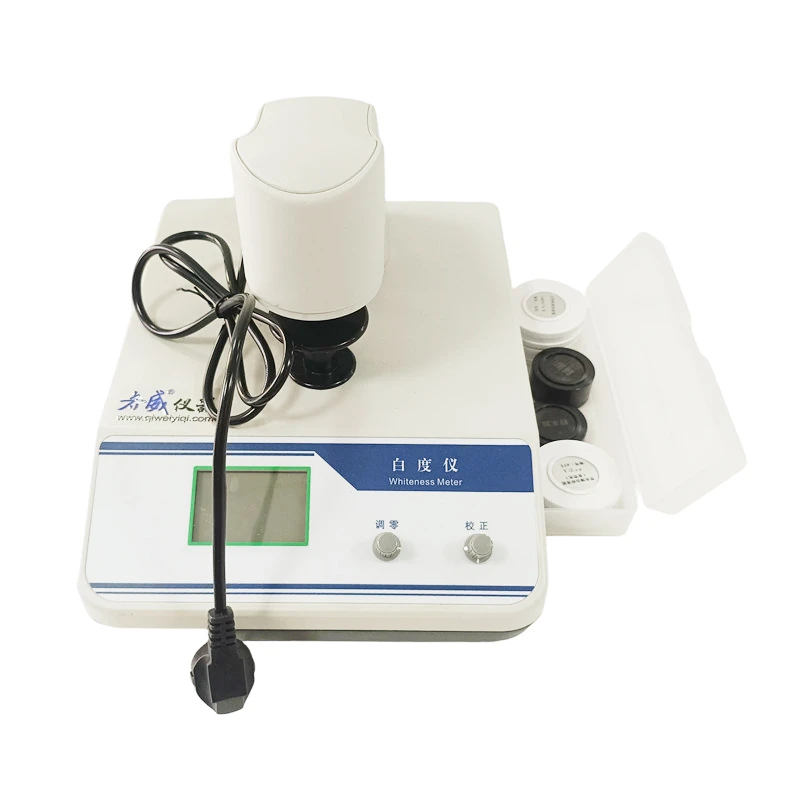
Phosphate analyzers utilize a microcomputer-controlled photoelectronic colorimetric detection principle, replacing the traditional visual colorimetric method. This eliminates human error, thus significantly improving measurement resolution.
Currently, water phosphate analyzers primarily employ detection principles such as chemical colorimetry (spectrophotometry), ion chromatography, and electrode methods. The core principle of chemical colorimetry (spectrophotometry) is to use a chemical reaction to convert phosphates in water into colored compounds. The absorbance of these colored compounds is then measured using a spectrophotometric module. Based on the linear relationship between absorbance and phosphate concentration, the phosphate content in the sample is calculated.
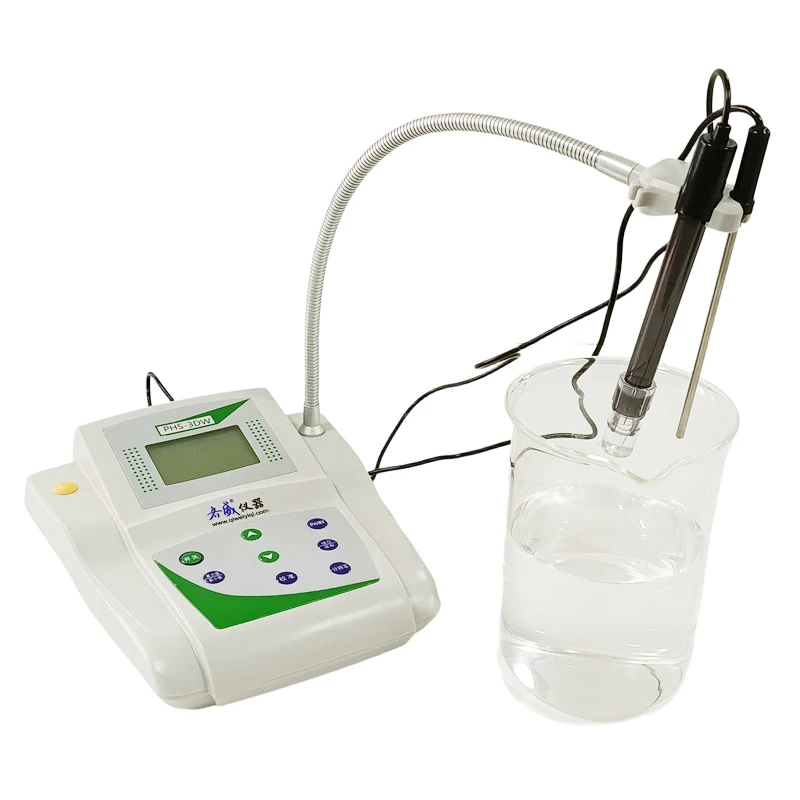
The principle of ion chromatography is similar to that of ion chromatography analyzers. Phosphate ions in the water sample are separated using an ion-exchange chromatographic column. The separated phosphate signal is then detected using a conductivity detector for quantitative analysis. The electrode method utilizes a specialized phosphate-selective electrode, forming a galvanic cell with a reference electrode. When the electrode is immersed in the water sample, phosphate ions interact with the sensitive membrane on the electrode surface, generating a potential difference related to the phosphate concentration. Measuring this potential difference allows the calculation of the phosphate concentration. Among them, chemical colorimetric methods have become the most widely used mainstream technology due to their simple operation, moderate cost, and sensitivity that meets the needs of routine detection.