PH Meter
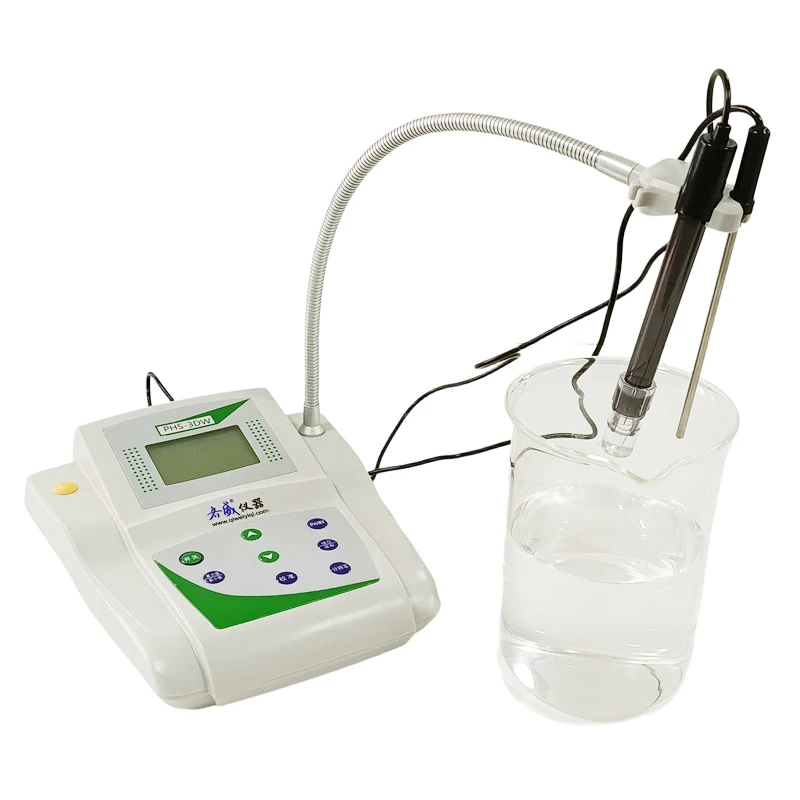
PH meters can be installed in two ways: flow-through and immersion. Wastewater treatment plants generally use immersion installation. For example, the pH meter in this wastewater treatment plant is installed in the overflow tank at the outlet of the oxidation ditch. The pH value at this location is representative, and the water flow is stable, minimizing impact on the pH meter. Regular maintenance helps ensure accurate measurement and extends the instrument's lifespan. It is important to ensure that the dedicated cable between the sensor and transmitter does not get wet; otherwise, the high-resistance, low-voltage signal from the electrode will not be transmitted to the transmitter. When the electrode is not measuring, the yellow protective sleeve should be covered to keep the electrode moist, which helps extend its lifespan. The electrode should be cleaned approximately every month. First, spray off any adhering substances with a gentle stream of water, then immerse the electrode in the cleaning solution for a period of time, and finally rinse with clean water. The sensor bracket should also be cleaned. After each cleaning, calibration should be performed using a buffer solution. Among domestically produced pH calibration solutions, pH=4 is acceptable, but pH=7 is not accurate enough and will affect the calibration results. Therefore, it is best to use the manufacturer's calibration solution. Manufacturers typically provide two standard solutions: one with a pH of 7 for calibrating the instrument's zero point, and another with a pH of 4 for calibrating the instrument's signal output slope.
Dissolved Oxygen Analyzer
Dissolved oxygen analyzers generally use an immersion mounting method. It is crucial to use the original manufacturer's mounting bracket. The manufacturer-provided bracket is made of stainless steel and features a plastic chain. Adjusting the chain length changes the sensor's immersion depth. The guide tube on the bracket ensures the sensor remains vertical. The bracket is specially designed to transmit water surface fluctuations to the immersion tube, causing slight vibrations and providing an additional cleaning effect on the probe surface. Some users, to reduce investment, make their own mounting brackets, often resulting in poor sealing between the immersion tube and the sensor. This allows wastewater to seep in, causing the connection between the dedicated cable and the sensor to be constantly submerged in wastewater, easily damaging the sensor. Some even omit the mounting bracket altogether, directly immersing the sensor in water, which creates significant tension between the sensor and cable, making the sensor more susceptible to damage. The dissolved oxygen probe should be gently cleaned with water weekly. Damaged membrane heads should be replaced promptly, as should contaminated electrolytes. Wastewater containing H2S, NH3, benzene, or phenol is harmful to the membrane head, necessitating frequent replacement. The condition of the electrodes in the probe can be determined by their color: the reference electrode should be dark gray, the cathode (gold electrode) should be yellow, and the reverse electrode must be shiny; otherwise, cleaning or regeneration is required. With my country's increasing emphasis on water resource protection, wastewater purification is becoming increasingly important, and the necessary testing instruments for this process are indispensable. As the most important instrument in the wastewater treatment industry, water quality analyzers require not only correct selection and installation but also regular maintenance and calibration, which are crucial for their effective operation.