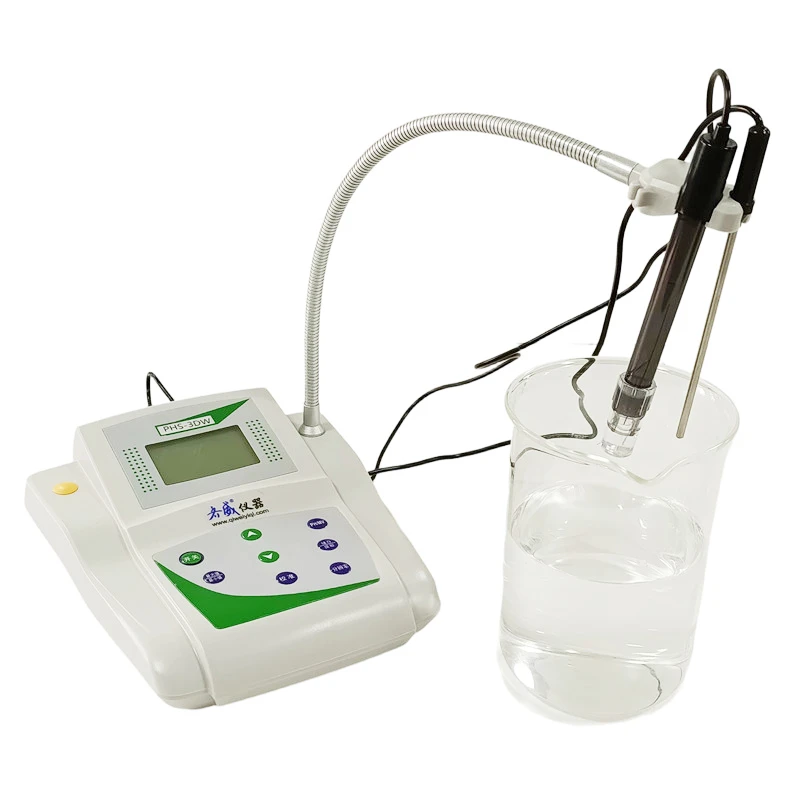
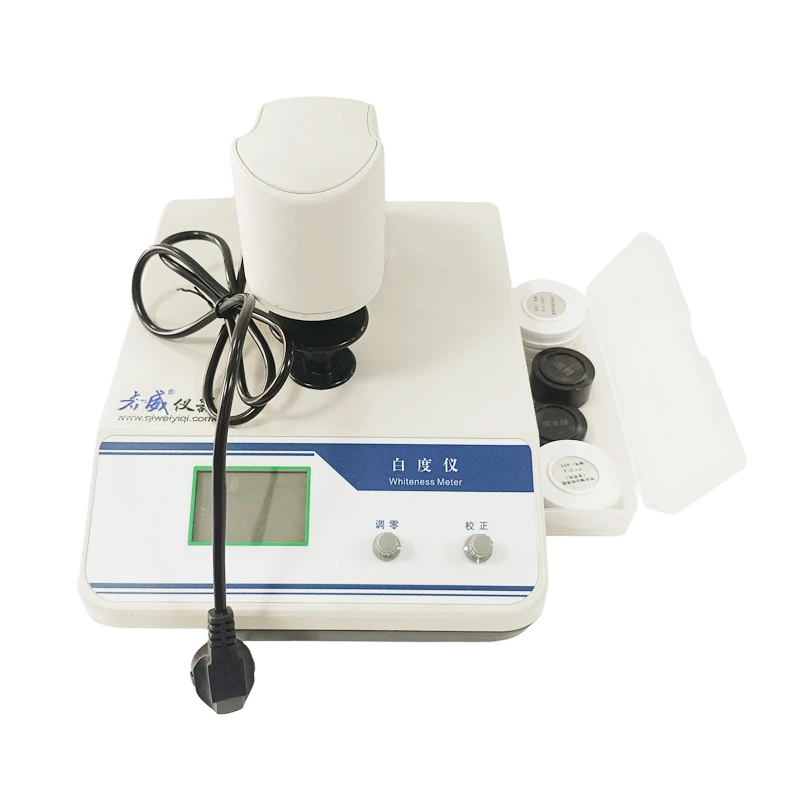
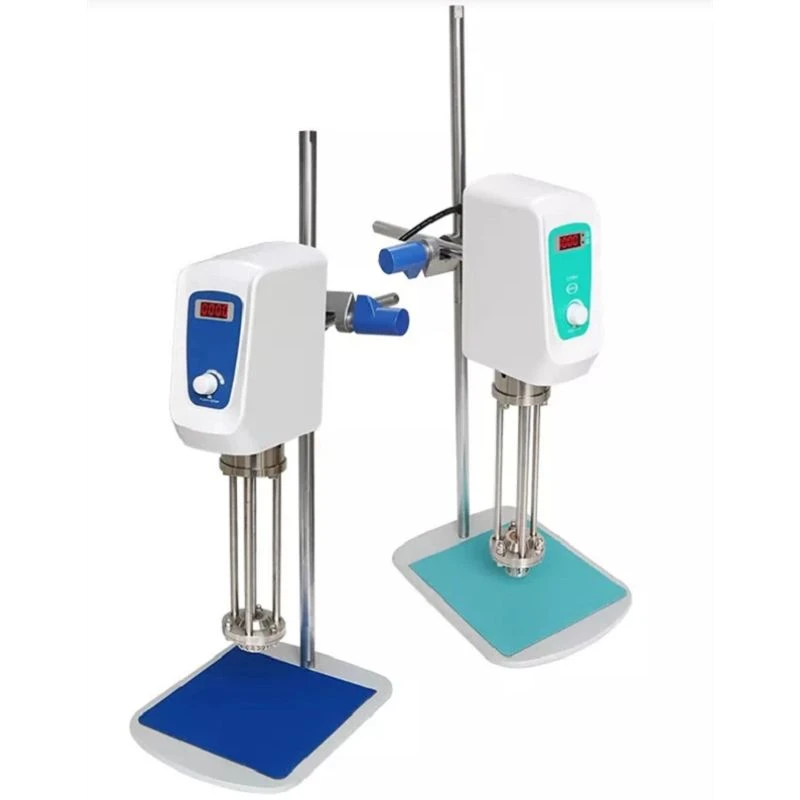
Ammonia nitrogen analyzers are analytical instruments used for water quality testing. They primarily employ the Nessler's reagent colorimetric method (GB7479-87), the salicylic acid spectrophotometric method (HJ536-2009, compatible with ISO7150/1-1948 standard), and the ammonia-sensitive electrode method (ISE technology) for detection. The equipment is divided into two types: Type A (Nessler's reagent method) and Type B (salicylic acid method). Type B undergoes pretreatment according to GB7148-81 standard, possessing stable, sensitive, reliable, and mercury-free characteristics. The instruments are available in three categories: laboratory type, portable type, and online monitoring unit. Some models comply with HJ/T 101-2003 standard and have passed suitability testing.
The instrument has built-in 0-100 standard curves, an LCD display, and supports automatic calibration, data storage (up to 10,000 sets), and RS232/SD card export. The online monitoring unit features constant temperature control, automatic cleaning, and over-limit alarm functions, improving wastewater treatment efficiency by 30% per hour. Portable models weigh less than 2kg and support Bluetooth and solar charging. Typical products include the Aztec 600 series for continuous measurement, the JH-TN200 model integrating microcomputer optoelectronic colorimetric technology, and the 5B-3C(V10) dual-parameter detector covering a range of 0-160mg/L.