PH Meters
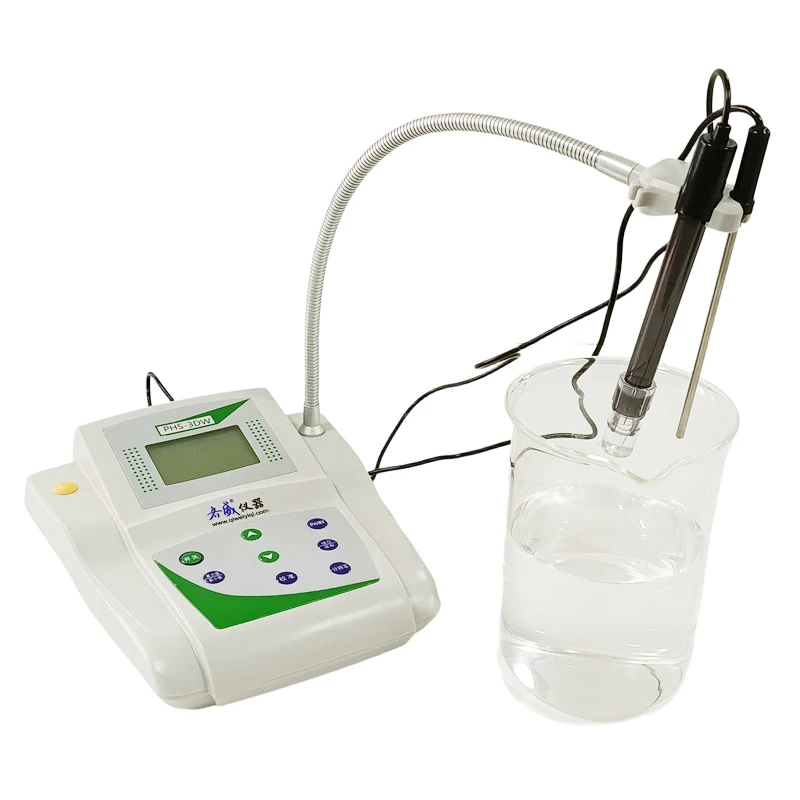
The glass bulb on the pH electrode gradually ages over time, causing the gradient (the change in electrode output potential caused by a unit change in pH value) to deteriorate, and it takes a long time to reach a stable potential. Under normal water quality conditions, the electrode's lifespan can generally reach two years. Temperature also significantly affects aging; storage at 100℃ for a few weeks results in the same aging as storage at room temperature for a year. pH meters offer advantages such as high accuracy, high reliability, and ease of installation and maintenance. However, they are also sensitive to contamination and require frequent calibration. The usage and maintenance cycle varies depending on the electrode model, but generally requires maintenance and calibration every three months.
Dissolved Oxygen Analyzers
Dissolved oxygen analyzers are easy to install, have a long calibration cycle (3-4 months), and are not sensitive to other substances. They can monitor the electrolyte levels in the diaphragm and probe. The lifespan and maintenance cycle also vary depending on the instrument model. For example, portable and online dissolved oxygen analyzers require different maintenance methods and cycles. Portable dissolved oxygen analyzers need recalibration before each use, while online dissolved oxygen analyzers require cleaning and maintenance every 3-6 months. The COM252 dissolved oxygen transmitter is an intelligent instrument with HART or Profibus communication protocols and a self-diagnostic function. When a fault occurs, it will display a fault code to indicate the location of the fault to maintenance personnel. By consulting the maintenance manual, the personnel can find a solution to the fault, which greatly reduces maintenance time and workload.